DFG Research Training Group 2686: Contradiction Studies –
Constellations, Heuristics, and Concepts of the Contradictory
Logo of the University Bremen
Logo of Worlds of Contradiction
University Bremen
Worlds of Contradiction
DFG Research Training Group 2686: Contradiction Studies –
Constellations, Heuristics, and Concepts of the Contradictory
Home > Members > Spokespeople of the RTG
Switch language to German
  • home
  • research training group
    • about the rtg
    • research program
    • qualification program
    • care, equality and diversity board
  • conference 2025
  • news
  • events
  • publications
  • members
    • faculty
    • post-docs & docs
    • management team
    • assistants
    • mercator fellows
    • visitors
    • guests
  • application
    • info
    • faq
  • contact

Social Media

Twitter/X
Mastodon
Instagram
Funded by
Deutsche Forschungsgesellschaft
Part of
World of Contradiction – University Bremen
  • privacy policy

Spokespeople of the RTG

Spokespeople of the RTG

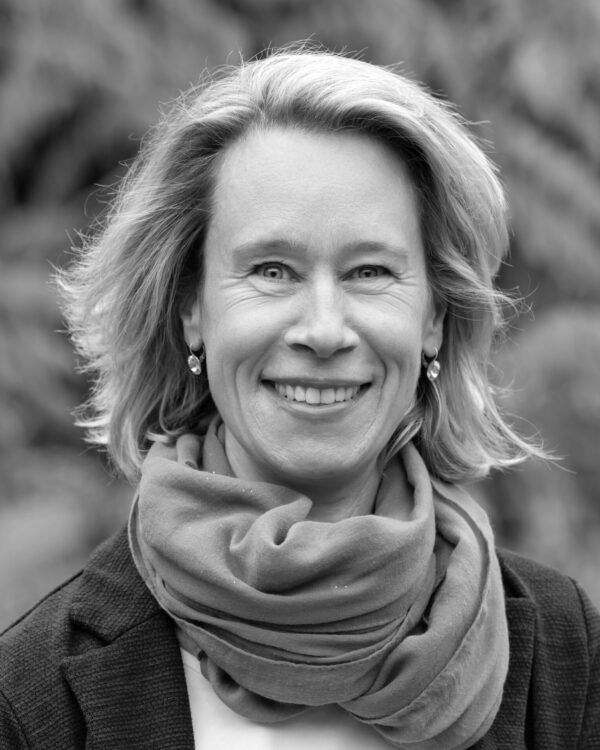
  • Prof. Dr. Karen Struve, 1. Sprecherin des GRK 2686Foto (c) WFB Bremen/Jan Rathke
    Prof. Dr. Karen Struve
    Spokesperson of the RTG
    French and Francophone Studies
  • Portrait photo Prof. Dr. Ingo H. Warnke
    Prof. Dr. Ingo H. Warnke
    Spokesperson of the RTG
    German and Interdisciplinary Linguistics
interstice

“The contradiction of law in Derrida lies in the interstice that separates the impossibility of deconstructing justice from the possibility of deconstructing law.”

Andreas Fischer-Lescano
sustained engagement

“The history of Western philosophy can be understood as a sustained engagement with contradiction.”

Norman Sieroka
l’illusion d’une unité

“Foucault speaks of contradiction as l’illusion d’une unité.”

Ingo H. Warnke
driver

“Contradictions are an important driver of scientific practice and knowledge.”

Norman Sieroka
idea of democratic critique

“If you think that acts of contradicting someone always need to point to better solutions, you haven’t really understood the idea of democratic critique.”

Martin Nonhoff